
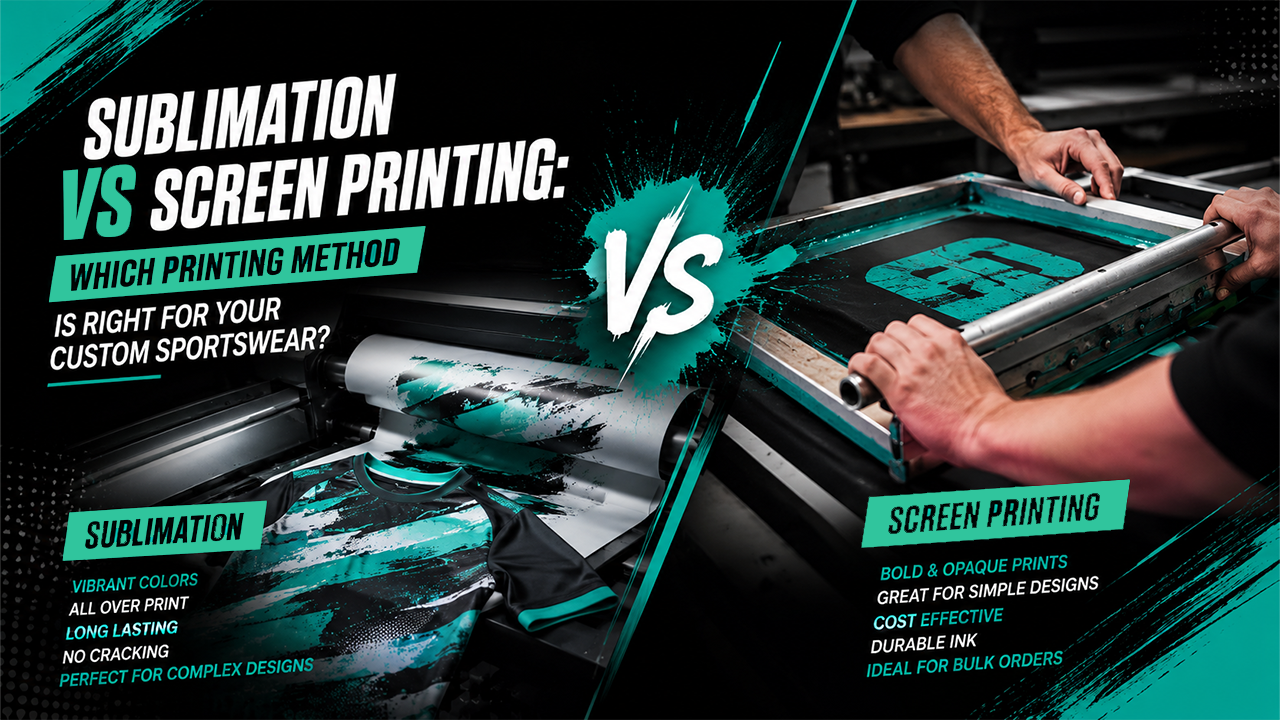
Confused about sublimation vs screen printing for your team uniforms or custom sportswear? Here is a full, honest breakdown of both methods so you can pick the right one.
Sublimation vs Screen Printing: Which Printing Method Is Right for Your Custom Sportswear?
Confused about sublimation vs screen printing for your team uniforms or custom sportswear? Here is a full, honest breakdown of both methods so you can pick the right one.
If you have ever tried to order custom jerseys, team uniforms, or branded sportswear, you have probably run into the same question over and over again: sublimation vs screen printing, which one should you actually go with? It sounds like a small technical detail, but it is one of the biggest decisions you will make for your team, your brand, or your business. The printing method you choose affects how your uniforms look, how long they last, how much you pay, and even how comfortable your players feel on the field.
The problem is that most articles on sublimation vs screen printing either go too technical, throwing around chemistry terms nobody asked for, or they oversimplify things so much that you still walk away confused. This guide is meant to sit right in the middle. We will explain both printing methods in plain language, compare them side by side, and then focus specifically on what matters most if you are ordering sportswear, team kits, or bulk apparel for a club, brand, or company.
By the end of this article, the sublimation vs screen printing debate should feel a lot less confusing, and you should know exactly which method fits your next order at Noxico International.
What Is Sublimation Printing?
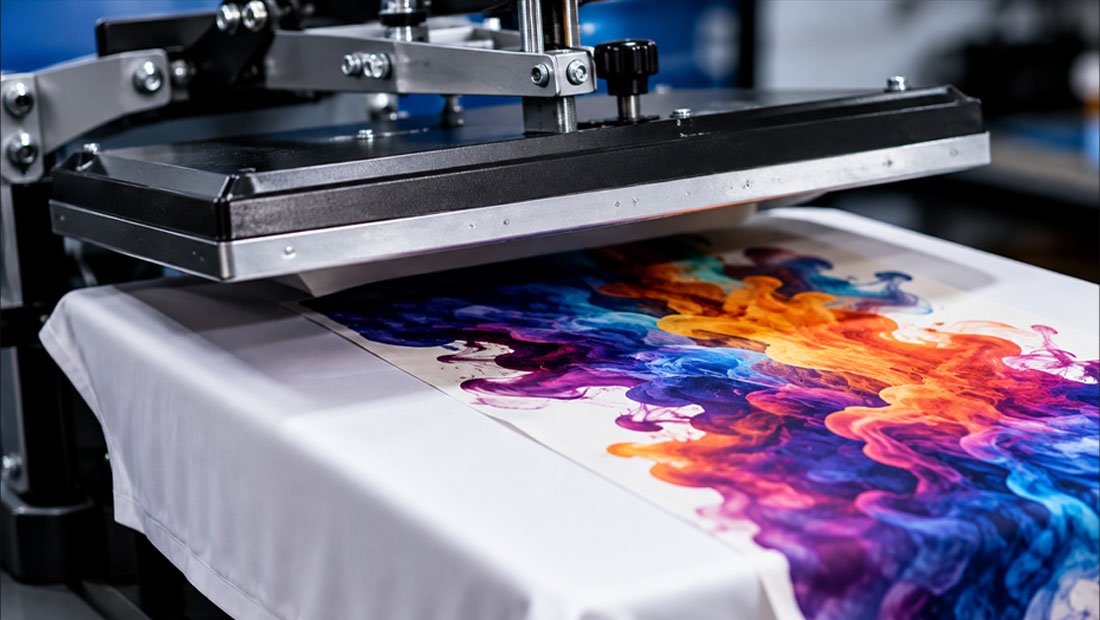
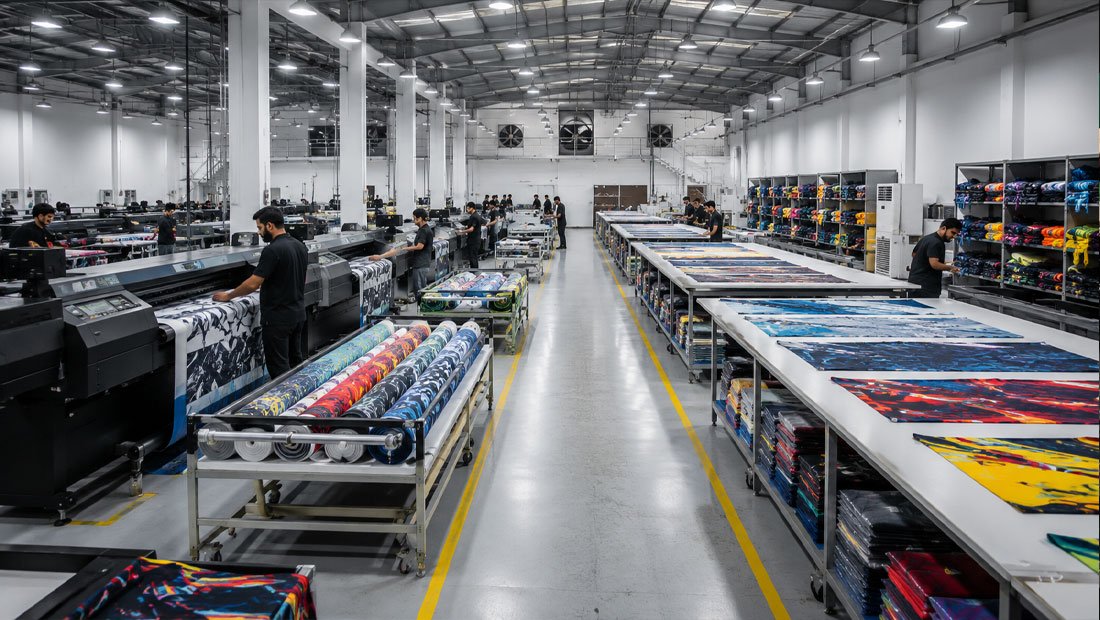
Sublimation printing is a digital printing process where a design is turned into a gas using heat and then bonded directly into the fibers of the fabric. Instead of sitting on top of the material like paint, the print becomes part of the fabric itself. That is really the core idea behind the whole sublimation vs screen printing conversation: one method sits on the fabric, and the other becomes the fabric.
Here is a simplified version of how sublimation works:
- A design is created digitally and printed onto special transfer paper using sublimation ink.
- The paper is placed on top of the fabric, usually polyester or a polyester blend.
- A heat press applies high temperature and pressure.
- The ink turns into a gas and bonds permanently with the fabric fibers.
- Once it cools down, the design is locked into the material, not just printed on it.
Because the ink becomes part of the fabric, sublimation prints do not crack, peel, or fade the way surface prints can. This is exactly why sublimation is so popular for sports jerseys, running gear, and fitness wear, where the fabric gets stretched, sweated in, and washed constantly.
What Is Screen Printing?
Screen printing, sometimes called silk screening, is a much older and more manual printing method. Instead of embedding color into the fabric, screen printing pushes ink through a fine mesh stencil directly onto the surface of the garment. Every color in the design needs its own separate screen, and each one is printed one layer at a time.
The basic screen printing process looks like this:
- The design is separated into individual colors, and a screen (stencil) is made for each one.
- The screen is placed on the fabric, and ink is pushed through the open areas using a squeegee.
- Each color layer is applied and dried before the next one goes on.
- Once every layer is printed, the garment goes through a heat curing stage to set the ink permanently.
Since the ink sits on top of the fabric rather than soaking into it, screen printing tends to leave a slightly raised, textured feel on the garment. This is not necessarily a bad thing. Many buyers actually like the bold, punchy look that screen printing gives, especially for simple logos or text-heavy designs.
Sublimation vs Screen Printing: The Key Differences
Now that we know what each method is, let’s get into the real sublimation vs screen printing comparison. This is where most buyers actually make their decision, so we will break it down point by point.
1. Print Quality and Detail
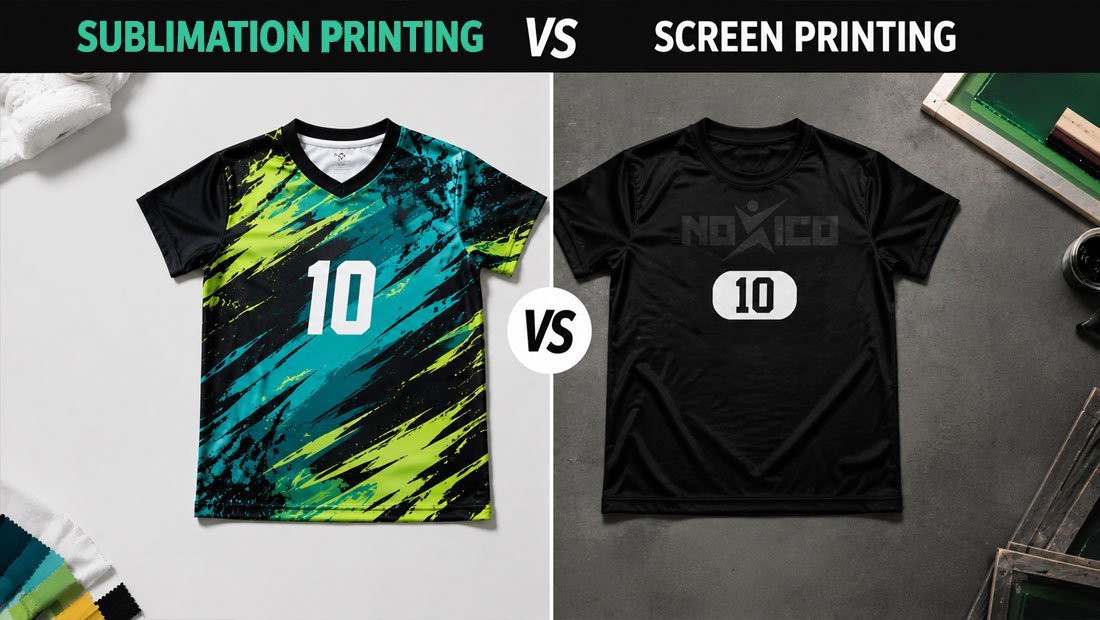
When people talk about sublimation vs screen printing in terms of print quality, sublimation almost always wins for detailed, colorful designs. Because the color is dyed directly into the fabric, you can print photo-quality images, gradients, camouflage patterns, and unlimited color combinations without any extra cost.
Screen printing, on the other hand, is best suited for bold, simple designs with a limited number of solid colors. Every additional color means an additional screen, which adds cost and production time. If your design has fine detail, shading, or a gradient effect, screen printing will struggle to reproduce it cleanly, while sublimation handles it with ease.
2. Fabric Compatibility
This is one of the biggest technical differences in the sublimation vs screen printing debate. Sublimation only works properly on polyester or polyester-blend fabrics, and it needs a light-colored base to show the true colors of the design. Cotton and other natural fibers do not hold sublimation ink well.
Screen printing is far more flexible when it comes to fabric. It works on cotton, polyester, blends, and even dark-colored garments, since the ink sits on the surface rather than needing to bond chemically with the material.
So if your uniforms are made from performance polyester fabric, which is standard for most sportswear, sublimation is usually the better technical fit. If you are working with cotton t-shirts or dark-colored garments, screen printing becomes the more practical choice.
3. Durability
Durability is a major factor in any sublimation vs screen printing decision, especially for sportswear that gets washed and worn constantly. Since sublimated ink becomes part of the fabric fibers, it does not crack, peel, or fade with regular washing, even under heavy training and match-day use.
Screen printed designs, because the ink sits on top of the fabric, are more likely to show wear over time. With frequent washing, stretching, and friction, the printed layer can start to crack or fade, especially on high-movement areas like the shoulders, sleeves, or underarms.
For teams that train several times a week and wash their kits constantly, this durability gap matters a lot, and it is one of the strongest arguments in favor of sublimation for sports uniforms.
4. Design Freedom and Coverage
Another important part of the sublimation vs screen printing comparison is how much of the garment you can actually print on. Sublimation allows full, edge-to-edge, all-over printing. That means your entire jersey, including the sleeves, sides, and collar, can carry your design, colors, and branding without any blank spots.
Screen printing is generally limited to specific areas, like the chest, back, or sleeve, because printing across seams and curved surfaces with stencils is difficult. If your team wants a fully wrapped, custom look with patterns running across the whole uniform, sublimation is really the only realistic option.
5. Cost and Order Quantity
Cost is usually the deciding factor once buyers understand the technical differences in sublimation vs screen printing. Sublimation has low setup costs and works well for both small and large orders, since there are no physical screens to prepare. This makes it a strong choice for teams that want to order any quantity without paying a big setup fee.
Screen printing works the opposite way. Setting up the screens takes time and money upfront, so the cost per piece is high for small orders but drops significantly as the order size increases. This is why screen printing is often the more budget-friendly option for very large bulk orders with simple, one or two color designs.
If you are ordering a small batch of custom jerseys with a detailed design, sublimation will usually cost less overall. If you are ordering hundreds of plain t-shirts with a single logo, screen printing can work out cheaper per piece.
6. Special Effects
Screen printing has one clear advantage in the sublimation vs screen printing comparison: specialty inks. Glitter, metallic, puff, and glow-in-the-dark effects are only possible with screen printing, since these inks physically sit on top of the fabric. Sublimation, which uses standard CMYK dye, cannot replicate these raised or textured effects.
If your brand wants that kind of decorative flair, screen printing is worth considering for specific pieces, even if your core uniforms are sublimated.
7. Eco-Friendliness
Sublimation generally comes out ahead on environmental impact. It produces very little waste, does not require large amounts of water, and uses inks that are considered non-toxic. Screen printing, especially when using plastisol inks, tends to produce more chemical waste and requires more water for cleaning screens and equipment between print runs. On this point too, the sublimation vs screen printing gap favors buyers who care about a cleaner production process.
If you only remember one thing from this sublimation vs screen printing comparison, remember this: sublimation becomes part of the fabric, screen printing sits on top of it. Almost every other difference, from durability to breathability to full-coverage design, traces back to that one simple fact.
Comparison Chart
| Factor | Sublimation | Screen Printing |
|---|---|---|
| Print quality & detail | Photo-quality, unlimited colors, gradients | Best for bold, solid colors; extra colors add cost |
| Fabric compatibility | Polyester / poly-blend only, light base needed | Cotton, polyester, blends, dark colors — all work |
| Durability | Embedded in fibers — resists cracking, peeling, fading | Sits on the surface — can crack or fade over time |
| Design coverage | Full edge-to-edge, all-over printing | Limited to flat areas (chest, back, sleeve) |
| Cost for small orders | Lower — no setup/screen costs | Higher per piece |
| Cost for large bulk orders | Consistent, no setup savings | Cheaper per piece for simple 1–2 color designs |
| Special effects | Not possible (standard CMYK dye) | Glitter, metallic, puff, glow-in-the-dark |
| Eco-friendliness | Low waste, less water, non-toxic inks | More chemical waste, more water use (esp. plastisol) |
Sublimation vs Screen Printing for Sports Uniforms and Team Wear
Since most buyers researching sublimation vs screen printing are actually shopping for team uniforms, sportswear, or fitness apparel, it is worth zooming in on this specific use case.
Sports uniforms go through a lot. They get stretched during play, soaked in sweat, washed after every training session, and packed into bags for travel. This kind of heavy, repeated use is exactly where the sublimation vs screen printing gap becomes most obvious.
Sublimated sportswear keeps the fabric’s original performance features fully intact. Because the print is embedded into the fibers rather than sitting on top, it does not block the fabric’s breathability or moisture-wicking properties. This matters a lot for athletes who need their gear to stay light and dry during intense activity. Screen printed designs, especially large ones, can sit on top of performance fabric and slightly reduce breathability in the printed areas.
For teams that want bold, colorful, full-coverage designs with player names, numbers, sponsor logos, and patterns across the entire jersey, sublimation is almost always the better choice. It supports unlimited colors, handles complex artwork easily, and holds up through season after season of hard use without cracking or fading.
Screen printing still has a place in team wear, particularly for simpler items like plain training t-shirts, tote bags, or merchandise where a single bold logo is all that is needed and the order size is large.
Which One Should You Choose?
If you are still weighing sublimation vs screen printing for your own order, here is a simple way to think about it.
Choose sublimation if:
- Your uniforms are made from polyester or performance sports fabric
- You want full, all-over color coverage with no blank areas
- Your design has gradients, photos, camouflage, or multiple colors
- Durability through frequent washing and heavy use matters
- You are ordering a smaller batch or want flexibility in order size
Choose screen printing if:
- You are printing on cotton or dark-colored garments
- Your design is simple, with one or two solid colors
- You need specialty effects like glitter, puff, or metallic ink
- You are placing a very large bulk order of the same simple design
For most sports teams, clubs, and sportswear brands, sublimation comes out as the stronger option in the sublimation vs screen printing comparison, simply because uniforms need to survive constant washing, movement, and sweat while still looking sharp season after season.
It also helps to think about who else is asking this same question. Coaches ordering a new kit for the season, club owners launching a fresh brand, and sportswear resellers comparing suppliers all end up at the same sublimation vs screen printing crossroad. The good news is that once you know your fabric type, your design complexity, and your order size, the choice usually becomes obvious fairly quickly.
Why Noxico International Uses Full Sublimation for Custom Sportswear
At Noxico International, every custom jersey, teamwear set, and fitness garment we manufacture in Sialkot is fully sublimated in-house. We made this choice deliberately after seeing the same pattern play out for teams, clubs, and brands around the world: sublimated sportswear simply performs better over time.
When you work with us, you are not choosing between a cheaper option and a better one. You are getting factory-direct pricing on a printing method that keeps your colors vibrant, your logos sharp, and your fabric performing the way it should, wash after wash. Whether it is soccer kits, basketball uniforms, baseball jerseys, or fitness wear, our sublimation process locks your design into the fabric so it never cracks, peels, or fades on you mid-season.
If you have been going back and forth on sublimation vs screen printing for your next order, we are happy to walk you through samples, fabric options, and pricing based on your exact design and quantity.
Frequently Asked Questions
Which lasts longer, sublimation or screen printing?
Sublimation generally lasts longer because the ink is embedded into the fabric fibers rather than sitting on the surface. It resists cracking, peeling, and fading even after heavy use and repeated washing.
Can sublimation be used on cotton fabric?
No. Sublimation only works properly on polyester or polyester-blend fabrics with a light-colored base. Cotton does not bond with sublimation ink the way synthetic fibers do.
Is screen printing cheaper than sublimation?
It depends on the order size. For small orders, sublimation is usually cheaper because there are no setup costs. For very large bulk orders with simple, limited-color designs, screen printing can become more cost-effective per piece.
Which method is better for sports uniforms?
When comparing sublimation vs screen printing for sports uniforms specifically, sublimation is the better choice for most teams. It supports full-color, full-coverage designs, keeps the fabric breathable, and holds up much better against sweat, stretching, and frequent washing.
Does screen printing work on dark fabrics?
Yes, screen printing works well on dark fabrics since opaque inks sit on top of the material. Sublimation, in comparison, needs a light-colored base to show true colors, which makes it less suitable for dark garments. This is one of the few areas in the sublimation vs screen printing comparison where screen printing has a clear technical edge.
Is one method always better than the other?
Not exactly. The sublimation vs screen printing decision depends entirely on your fabric, design, and order size. There is no single winner for every situation, which is why understanding both methods matters more than picking a favorite.
Conclusion
At the end of the day, the sublimation vs screen printing decision comes down to what you are printing, what fabric you are using, and how your product will actually be used. Sublimation offers unmatched detail, durability, and full-coverage designs, making it the go-to choice for sports uniforms, team wear, and fitness apparel. Screen printing still holds its ground for simple, bold designs on cotton or dark fabrics, especially for very large bulk orders.
If your priority is custom sportswear that looks sharp and survives an entire season of hard use, sublimation is very likely the answer you have been looking for. And if you want that quality built by a factory-direct manufacturer that specializes in exactly this, Noxico International is ready to bring your design to life.
Whichever side of the sublimation vs screen printing debate you land on, the most important thing is matching the method to your actual fabric, design, and order size, not just picking whatever sounds more modern or more traditional. Get that match right, and your uniforms will look good and last long, no matter which printing method made them.
Ready to Print Your Team’s Next Kit the Right Way?
Get a free, no-obligation quote from Noxico International today.
Get a Free Quote